Look beyond the application name
Digital loans may be marketed through an app while the credit is originated by a separate financial institution. Start by checking the loan agreement, key terms, disbursal transaction and grievance details to identify the actual lender and its service partners. A marketing brand alone may not establish the entity responsible for a loan or its credit reporting.
If the lender’s identity is unclear, ask the app provider and the institution named in the documents to explain the relationship. Save screenshots showing account information and the version or date of relevant terms. Avoid assuming every lender-like name on a screen is an RBI-regulated bank or NBFC without verification.
Reconcile repayment and charges
Collect evidence of the amount disbursed, repayment schedule, deductions, interest and other charges. Compare the app dashboard with bank statements and any formal loan account statement. An amount debited before disbursal, an unexpected fee or a disputed repayment should be identified with a date and supporting transaction reference rather than treated as a general complaint.
Where a repayment was made but not reflected, report the transaction identifier and exact debit date through an official channel. Preserve payment confirmation and the app’s acknowledgement. Avoid sending more money through a new link merely because an unknown caller says an earlier transaction was unsuccessful.
Take privacy and collection issues seriously
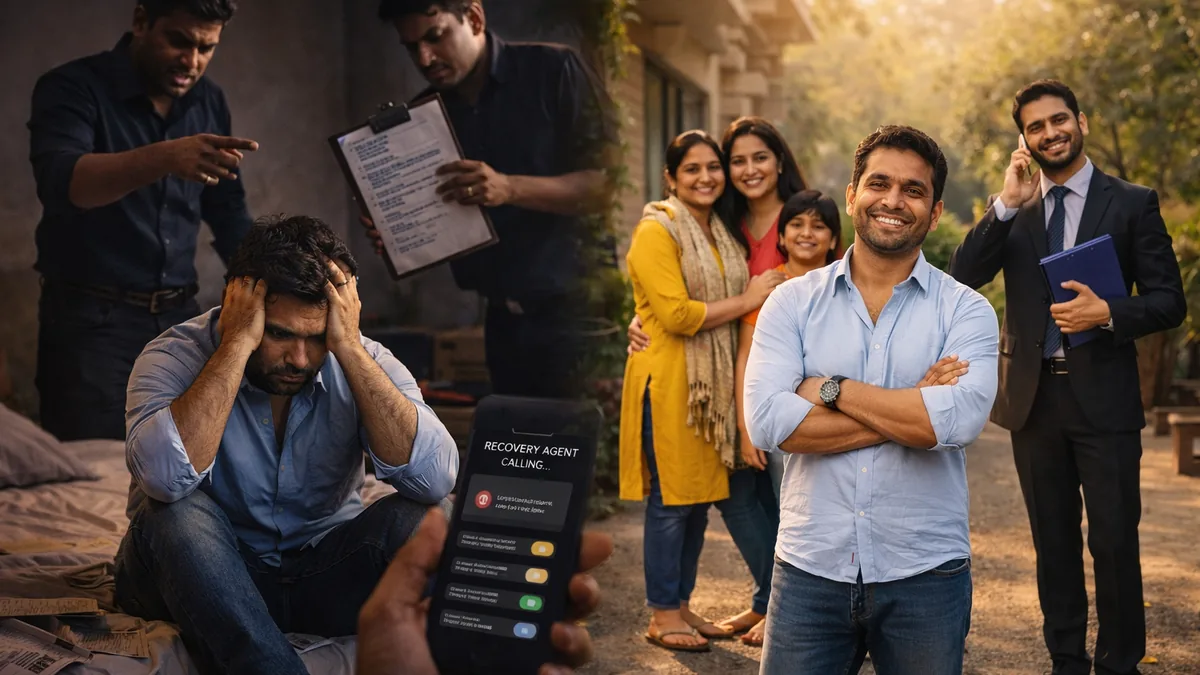
If a person claiming to represent a lender contacts colleagues, friends or unrelated relatives, record who was contacted, when and what loan details were disclosed. Preserve messages and calls lawfully available, with care for the privacy of third parties. A disputed privacy or collection incident can be investigated separately from whether the borrower owes the loan amount.
Be cautious about granting broad phone permissions or sharing a contact list with unknown services. Review device permissions and remove unnecessary access where appropriate; do not, however, delete transaction records or messages that may be important evidence. A formal written complaint should identify the actual entity and specific conduct involved.
Use traceable complaint channels
Raise a written grievance using the lender’s published channel, asking for the account statement, fee explanation and investigation of specified conduct. If an outsourced service provider is involved, ask the regulated lender to address its role. Keep an acknowledgement number and the response. For potential fraud or threats, consider the appropriate law-enforcement or cybercrime route as the facts require.
Where relevant, check the current RBI digital-lending framework and complaint escalation eligibility; requirements vary by entity and arrangement. Do not assume that a social-media profile claiming to represent the regulator or the lender is authentic. Use official contact information independently verified from the lender or regulator.
Choose a sustainable resolution
Financial strain is best documented through a realistic household budget, evidence of changed circumstances and an account-specific proposal. A settlement or extension remains subject to applicable arrangements and lender approval. Do not accept a new loan solely to make a pressured app payment without assessing total cost and repayment ability.
The goal is clear documentation: lender identity, account facts, permission history, communication records and a written resolution. This article gives general borrower education, not a finding that a particular app or firm has breached a rule. Review the applicable contract and official regulations before relying on specific legal consequences.