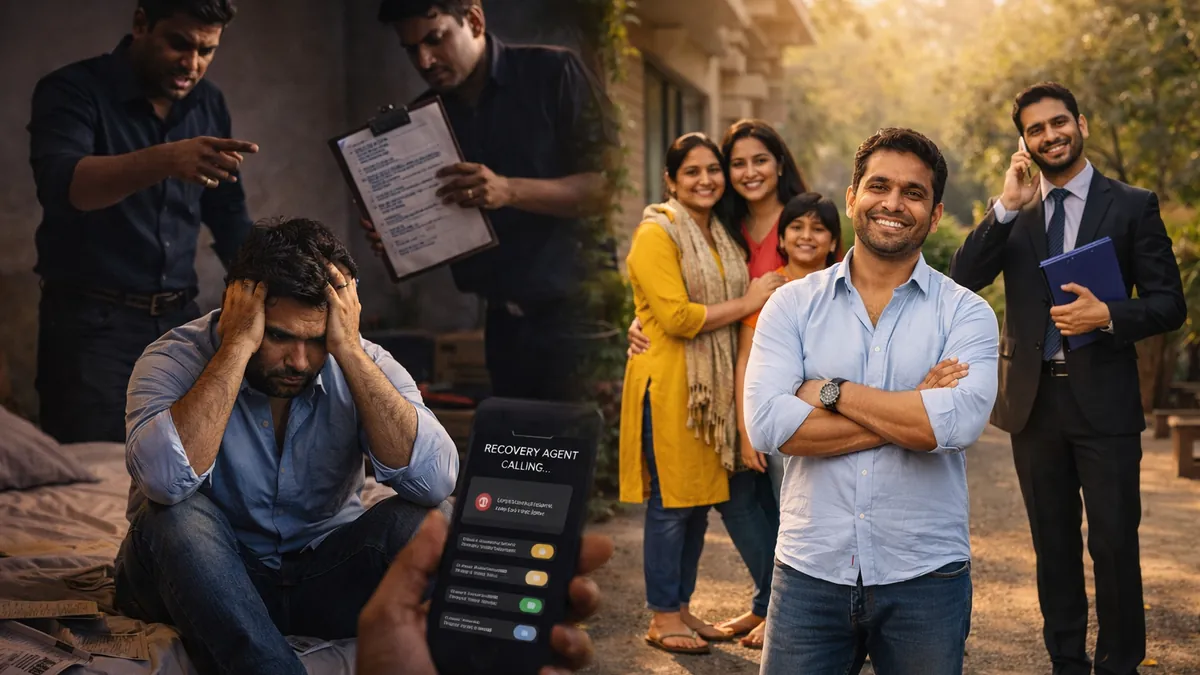
Identify who is contacting the borrower
An overdue loan can lead to reminders and legitimate collection follow-up. The first practical step is to identify the regulated lender, facility reference and whether the caller is an employee or an outsourced recovery representative. Ask for the caller’s identity and authority through a traceable channel. Save notices, messages and the account statement so there is no confusion between different loans or cards.
Borrowers should not assume that every request for payment is harassment, just as a collection agency should not assume that a debt permits threatening or humiliating conduct. The relevant questions are what happened, when, who was involved and whether personal information was disclosed to anyone unrelated to the facility.
Create a time-stamped incident record
Keep a chronological list of telephone numbers, dates, times, visits and the exact statements complained of. Preserve original voice notes, messages, call logs and photographs where lawfully available. If family members, neighbours or an employer were contacted, record what was disclosed and how the person learned of it. Avoid embellishment: a precise, verifiable account is stronger than an accusation based on inference.
Where a caller threatens physical harm or attempts to force entry, personal safety comes first and urgent help from the appropriate authorities may be necessary. For routine grievances, a written complaint describing the identified conduct and supporting evidence will generally provide a clearer record for lender review than a long exchange over the telephone.
Ask for communication boundaries
A borrower facing repeated contact may request a designated written channel for discussions, reasonable calling practices and advance identification before visits. State that repayment issues should not be discussed with unrelated third parties. A request to use email does not itself extinguish a valid liability or make every call unlawful; it records a preference and helps organise communication.
If the dispute relates to a particular recovery agent, ask the bank or NBFC to confirm the agency’s engagement, investigate the named incidents and preserve relevant call recordings or visit logs. Copies of previously sent complaints, screenshots and any acknowledgement numbers should accompany the request wherever possible.
Escalate with documents, not assumptions
Raise the issue first through the lender’s published grievance process and allow it to address the complaint under applicable requirements. If unresolved, consider the appropriate escalation route, including the RBI Integrated Ombudsman mechanism where eligible. Eligibility, procedure and timelines should be checked against the current official framework rather than an old online infographic.
When the complaint concerns a loan app, identify the actual creditor as well as the app operator; branding on a mobile screen may not establish who owns the loan. Provide only necessary account identifiers in secure channels. Do not circulate full identity documents or sensitive financial data in a public complaint.
Keep repayment and misconduct questions separate
Even where alleged collection conduct is improper, an underlying repayment obligation may continue unless lawfully varied or discharged. Ask for an account statement and set out any hardship or settlement proposal in a separate, calm communication. This prevents a recovery complaint from being misconstrued as a refusal to discuss account reconciliation or affordable resolution.
The aim is an auditable record and a fair response: identification of the representative, cessation of any improper conduct, investigation of particular incidents and lawful communication about outstanding sums. This guidance is not a determination that a specific lender or agent acted unlawfully; such conclusions require the relevant evidence and applicable rules.
