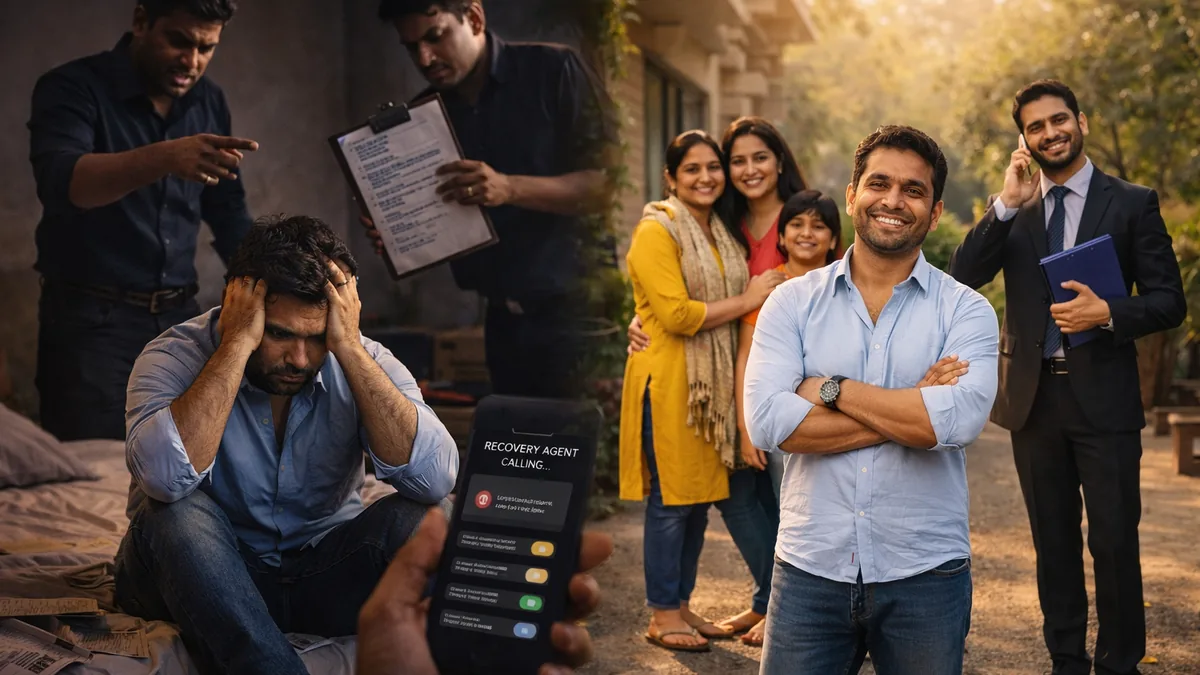
Why the source of a digital loan matters
An app may make borrowing convenient, but borrowers should know which regulated bank or non-banking financial company is actually responsible for the loan. In a July 2026 statement, the Ministry of Finance described the RBI’s directory of digital lending apps associated with regulated entities, which became operational in July 2025.
The directory is an additional way to check an app’s claimed relationship with a regulated lender. Its presence or absence must still be interpreted carefully: an app listing is not a personal guarantee of the quality of every service, and an unfamiliar app name is a reason to verify the lender before sharing documents or making payments.
The role of RBI’s Digital Lending Directions
The Ministry also referred to RBI (Digital Lending) Directions, 2025, issued in May 2025. The regulatory framework addresses issues such as customer information, recovery activity, use of customer data and grievance handling in digital lending.
Borrowers facing pressure from third-party collectors should preserve payment demands and communications, identify the actual lender and check the agreed loan terms. It is important to distinguish legitimate collection of overdue instalments from separate allegations of threats, improper disclosures or misleading app practices.
Where suspected fraud can be reported
The official July 2026 statement pointed to the national cybercrime reporting portal and helpline 1930 for reporting suspected cyber incidents, including fraudulent lending activity. Complaints about a regulated lender’s service should separately follow the lender’s grievance mechanism and any applicable RBI redress process.
For borrowers, the immediate priority is verification, documentation and careful communication. Do not assume that a collector’s phone number, an app label or a payment link proves the identity of the entity legally entitled to receive repayment.
Distinguish collection activity from disputed misconduct
A missed repayment can lead to legitimate reminders or an attempt by the lender to discuss available repayment arrangements. That does not mean every method used by a collector is acceptable. The relevant questions are what was said, when contact occurred, who was contacted and whether sensitive financial details were revealed to people who had no proper reason to receive them. Avoid relying on a general allegation of harassment without describing an identifiable event. A clear account of one inappropriate call or visit is more useful than a long list of unverified accusations.
Ask the lender for the identity and authorisation of any recovery representative involved in a disputed interaction. Record the lender or NBFC name, account reference, agent contact number and the date and duration of calls. If a visit occurred, note the location, who was present and what was actually witnessed. Preserve complete messages and relevant recordings lawfully and securely. These details help the lender investigate the allegation and let the borrower separate the debt itself from alleged conduct during collection.
Create a clear complaint and repayment record
A practical complaint describes the specific event, identifies the affected borrower, attaches only necessary supporting evidence and asks the institution to investigate and reply in writing. Send it through an official grievance route and keep the complaint reference and delivery confirmation. If the outcome is unsatisfactory, check the currently applicable escalation process and conditions rather than assuming that an external regulator handles every kind of dispute. If there is an immediate safety threat or suspected fraud, an appropriate law-enforcement or cybercrime report may also be relevant.
Recovery communication is often accompanied by disagreements about the stated outstanding balance. Request an updated statement and a transparent distinction between principal, contractual interest, overdue interest and other charges where applicable. Compare this with receipts, standing-instruction debits and any earlier settlement correspondence. When the borrower cannot meet an instalment, a realistic statement of temporary hardship is better than promising payment on a date that is uncertain. Neither a news report nor a filed complaint necessarily prevents a lender from using lawful recovery processes.
Extra checks for app-based borrowing
For digital lending, note the difference between the app interface, any lending-service provider and the lender on the underlying contract. Check the disclosed interest and fee terms, repayment account details and official customer-support contacts before moving funds. Treat an unsolicited payment link or demand to transfer money to a personal account as a reason to verify independently. Where a caller or message claims to represent the lender, use contact information obtained from an established official channel rather than simply replying to the number in the demand.
